
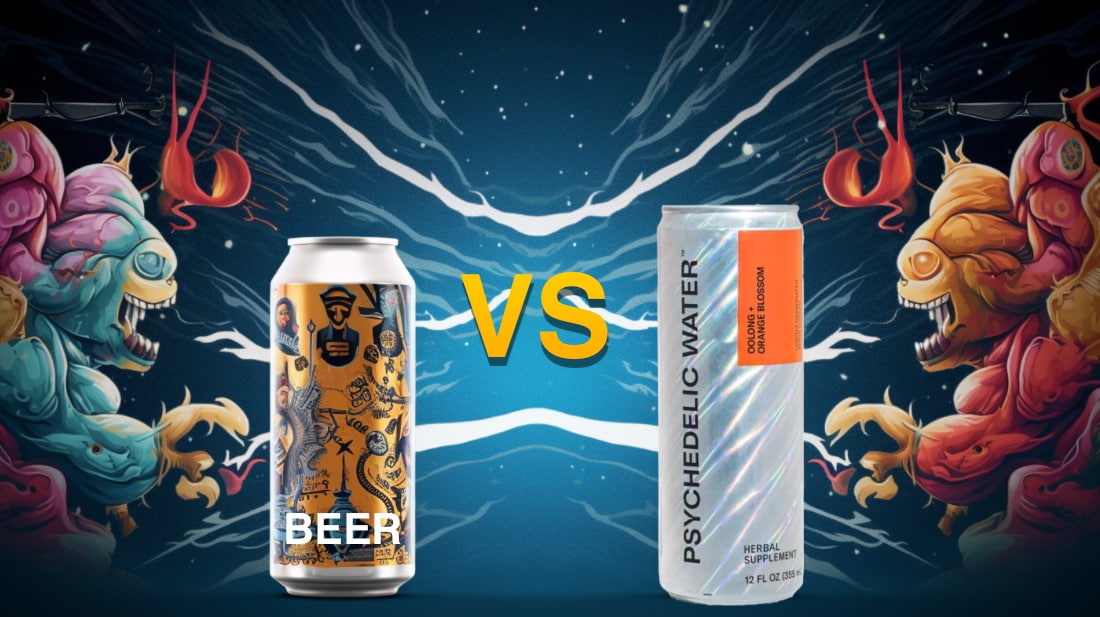
Does kava get you high? Short answer: yes. Not high like cannabis or alcohol, but absolutely something you feel. And once you understand what that something actually is, you might start wondering why you ever reached for a beer instead.
Kava is having a moment. Kava bars are opening across the US. Functional beverage brands are adding it to canned drinks and powder mixes. People who've spent years looking for a way to unwind without the downsides of alcohol are discovering what Pacific Islanders have known for centuries. If you've been curious about the kava experience — what it actually feels like, how it compares to drinking, whether it's worth trying — this is the guide you've been looking for.
Does Kava Get You High? Let's Be Direct
Yes. Kava produces noticeable psychoactive effects. That said, "high" might not be the right word if your reference point is alcohol or cannabis.
The kava experience is more like... a volume knob turned down on everything stressful. Your body relaxes. Your mind goes quiet. You feel genuinely good without feeling impaired. Most people describe it as calm euphoria — the kind you feel after a long exhale, not the kind you feel after four drinks.
There's no spinning room. No impaired judgment. No waking up at 3am feeling terrible about your choices. The kava high is real, it's pleasant, and it doesn't come with a hangover.
What the Kava High Actually Feels Like
This is what most people really want to know. The effects are distinctive enough that they're worth walking through step by step.
The First 10-15 Minutes: The Tingle
The first thing most people notice is a mild numbness or tingling sensation in the mouth and lips. This isn't alarming — it's kavalactones doing their thing. Your tongue might feel slightly heavier. Some people feel a gentle warmth spreading from their chest. This is your sign that it's working.
20-45 Minutes In: The Sweet Spot
This is where kava earns its reputation. Muscle tension releases. That low-grade stress you've been carrying around all day — the tight shoulders, the clenched jaw — just softens. Your thoughts slow down in a good way.
There's a sociability aspect that surprises people. You feel more present, more comfortable in conversation, more willing to just... be. Pacific Islanders have been gathering around the kava bowl for community and ceremony for thousands of years. There's a reason.
The mental state is clear. You're not foggy. You're not searching for words. You feel relaxed and content while remaining fully yourself.
1-2 Hours: Sustained Calm
The peak effects level off into a comfortable plateau. Kava doesn't escalate the way alcohol does — there's no "chasing" more to maintain the feeling. You just stay in a pleasant state of ease. Some people feel mildly sleepy. Others feel energized but calm, especially with lower doses.
Duration: 2-4 Hours Total
Effects typically taper off over two to four hours, depending on the dose and your body chemistry. No crash. No rebound anxiety. You come down gently and usually feel... fine. Ready to sleep, or ready to carry on with your evening, depending on what you want.
The Science: Why Kava Works
Kava's active compounds are called kavalactones. There are 18 of them identified in the kava plant, and different preparations have different profiles. Noble kava — the strain used in quality products — has a kavalactone profile associated with relaxation and mood elevation without the sedation or impairment you get from lower-grade varieties.
Here's what makes kava different from alcohol at a biological level: kavalactones work primarily on GABA receptors in the brain — the same receptors that regulate anxiety and stress response. They also interact with dopamine pathways, which is where that sense of well-being comes from.
Alcohol also hits GABA receptors, which is part of why it reduces anxiety. But alcohol also hits glutamate receptors, sodium channels, and a cascade of other systems in the brain. It's a blunt instrument. That's why alcohol impairs coordination, judgment, and memory in ways kava doesn't.
Kava is more targeted. More precise. You get the anxiety reduction and the mood lift without the cognitive disruption. For a deeper look at the research, our Complete Kava Guide covers the science in full detail.
Kava vs. Alcohol: A Straight Comparison
| Category | Kava | Alcohol |
|---|---|---|
| Hangover | None. Seriously, none. | Headaches, nausea, fatigue — you know the deal |
| Calories | 10-25 per serving (canned kava) | 100-200+ per drink; empty calories |
| Addiction Risk | Low; not physically addictive | High; alcohol dependence is well-documented |
| Sleep Quality | Improves sleep, promotes relaxation | Disrupts REM sleep; you feel worse the next day |
| Social Effects | Calm, present, sociable, clear-headed | Loosens inhibitions, but impairs judgment and memory |
| Legal Status | Legal in all 50 states; sold in stores | Legal for 21+; regulated, restricted in many contexts |
| Health Impact | Anti-anxiety, muscle relaxant; see note on liver safety | Associated with liver disease, heart disease, cancer risk at regular use |
| Cognitive Impairment | Minimal to none at normal doses | Significant; affects memory, coordination, reaction time |
| Morning After | Feel normal; often feel well-rested | Dehydrated, foggy, depleted |
The comparison is stark when you lay it out this way. Kava wins on almost every metric where alcohol has historically been a problem.
Common Questions About Kava
Is Kava Safe?
For most people, yes. Noble kava — the type used in reputable products — has an extensive safety record spanning centuries of traditional use. The main concern you'll see discussed is liver health, and it's worth taking seriously: there are documented cases of liver issues associated with low-quality kava preparations (particularly kava made from stem and leaf material rather than the root). Noble kava root products, consumed in reasonable amounts, have not shown the same risk profile. We cover this in detail in Kava and Your Liver.
Bottom line: buy from reputable brands that use noble kava root, don't go overboard, and you're in good shape.
Is Kava Addictive?
Kava is not physically addictive. There's no withdrawal syndrome, no escalating tolerance that forces you to use more to feel the same effects. Some people develop a preference for kava's effects, the same way some people really enjoy a good cup of tea. That's different from addiction.
Ironically, there's evidence that kava may be useful for people trying to reduce alcohol consumption, because it addresses the same underlying need for stress relief and social ease without the dependency risk.
Can You Drive After Kava?
This one matters. Kava at normal doses does not impair driving the way alcohol does — reaction time, coordination, and judgment remain intact. That said, high doses of kava can cause sedation, and combining kava with alcohol amplifies both effects significantly. The smart rule: don't mix kava and alcohol, and use common sense with dosing if you're driving.
How Does Kava Compare to Other Alternatives?
If you're weighing your options, we've also written about kava vs CBD and kava vs kratom — two comparisons that come up often for people exploring the natural alternatives space.
How to Try Kava
Traditional kava preparation involves grinding or pounding the root, mixing it with water, and straining it — it's earthy, thick, and not exactly crowd-pleasing for Western palates. Which is why ready-to-drink kava products have become genuinely popular.
Psychedelic Water is a canned kava drink with 250mg of noble kava extract per can. It also contains velvet bean (a natural source of L-DOPA, which supports dopamine production) and a modest 80mg of caffeine — so you get the relaxed, social feeling without the drowsiness. Under 25 calories. Comes in flavors like Blackberry, Hibiscus, Blue Raspberry, and others. It's the most convenient way to experience what the kava high is actually about without brewing anything yourself.
For a caffeine-free option — especially if you're looking to replace your evening drink or wind down before bed — Good Mood Mix is the answer. Same 250mg noble kava extract, but in powder stick pack form. Six flavors, mixes into water in seconds, zero caffeine. A lot of people use it as their "5pm ritual" — the thing they reach for when they'd otherwise open a beer. The relaxation is real, and you wake up the next morning feeling completely normal.
The Verdict
Kava gets you high in the best way: relaxed, content, sociable, clear-headed. The kava vs alcohol comparison isn't really close — kava gives you most of what people are actually looking for in a drink (stress relief, social ease, that "ahhh" feeling) without the hangovers, the calories, the impairment, or the next-day regret.
It's not going to replace every drinking occasion. A stadium beer at a baseball game has a different social function than a functional beverage. But for the everyday unwinding? The end-of-day ritual? The thing you reach for when you want to take the edge off? Kava is genuinely worth trying.
Start with a canned Psychedelic Water to feel the full effect, or grab a Good Mood Mix variety pack if you want the caffeine-free version. Either way, give it 20 minutes after you finish your first one before you decide. The good stuff takes a little patience.